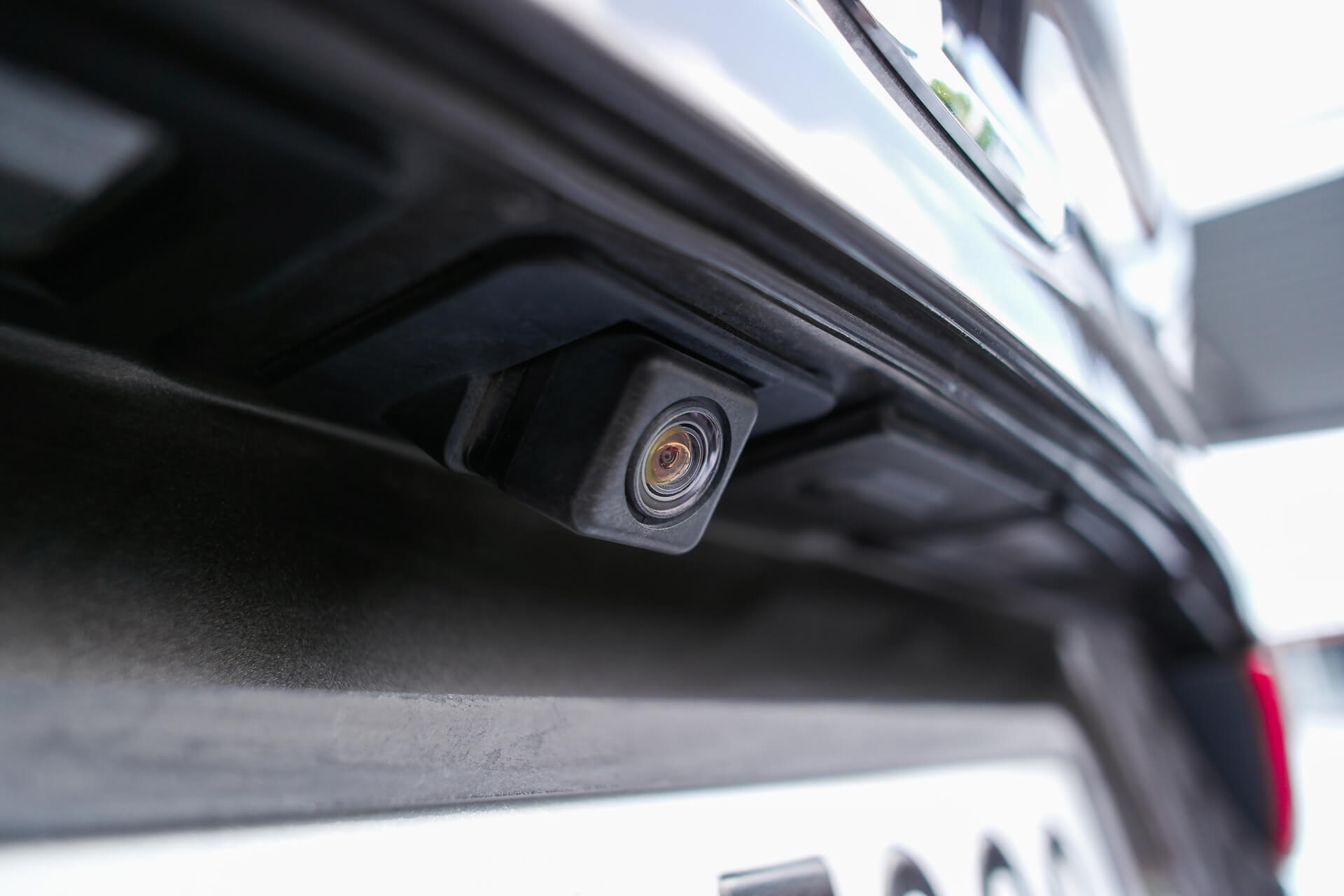
Can Smart Cameras Detect Fault in an Accident? What’s Coming Next

by Erin Anderson
In recent years, "smart cameras" — especially AI-enabled dash cams and telematics systems — have transformed from passive recorders into active witnesses of every mile you drive. But can they really determine fault in a crash? And where is this technology heading next? Let's take a look at what's happening today, where the risks and opportunities lie, and what the future might hold.
1. What Do We Mean by "Smart Cameras"?
First, a quick definition. Smart cameras typically refer to dashcams or in-vehicle video systems powered by computer vision and machine learning. They don't just record — they analyze:
- Unsafe driving behaviors (e.g., tailgating, sudden braking)
- Collision events, capturing video clips around "interesting" moments (before, during, and after incidents)
- Telematics integration: combining video with GPS, accelerometer, and other sensor data to build a richer picture.
This isn't your grandfather's dash cam — these systems are proactively analyzing driving in real time.
2. How Smart Cameras Help Today: Determining Fault
Video as Evidence
When an accident happens, video from a dash cam can be tremendously powerful in helping insurers and investigators understand what really went down. According to insurers and legal experts, footage gives an "unbiased witness" to a collision — helping to reduce fraud and resolve disputes.
Collision Reconstruction
Some smart dash cams go further by reconstructing a crash — not just by saving video, but by packing in sensor data (speed, braking, location) to build a second-by-second picture of what happened. For example, Nexar, a major smart camera provider, offers AI-enabled FNOL (First Notice of Loss) and detailed collision reconstruction reports to insurers.
This kind of report can drastically reduce ambiguity, making it easier to assign liability accurately.
Accident Prevention and Measurement
Beyond fault, these cameras can help prevent accidents in the first place. Some systems issue real-time warnings for risky behaviors (like distracted driving or lane departures), giving drivers a chance to correct before things go wrong.
That said, for fault determination, the real magic is in the playback + analytics + telematics fusion.
3. Challenges & Limits: Why Cameras Aren't Always "Decide Fault"
While smart cameras are powerful, they're not a perfect, bulletproof way to legally determine fault — at least not yet. Here's why:
- Quality & Angle Limitations: A camera's view is limited. If your dash cam only records forward, it may not capture what's happening in side-impact or rear collisions.
- Data Interpretation: Even if an AI system flags a risky behavior (like harsh braking), inferring intent or legal liability requires more context than a camera can always provide.
- Legal & Privacy Constraints: In many cases, insurance companies may need to validate footage, chain of custody, or authenticity.
- Disputes and Bias: Some drivers report that insurers don't always accept footage at face value.
- Regulatory Gaps: State laws on in-car video, data access, and how EDR (event data recorder) data is used vary — meaning that what's admissible or usable in one place might not be in another.
4. What's Coming Next: The Future of Fault-Detection with Smart Cameras
The technology is evolving fast. Here are some of the next-generation trends that could reshape how fault is determined in accidents:
1. Predictive & Anticipatory Systems
Researchers are developing AI models that don't just react to collisions — they anticipate risk. For instance, a system called CRASH uses deep learning to analyze temporal and contextual traffic data to predict accidents before they happen.
Similarly, vision transformer-based models like V-CAS are being built to assess collision risk in real time from multiple camera streams, potentially triggering adaptive braking or alerts.
2. Multisensor Fusion for Richer Data
Smart dash cams are starting to integrate with radar, LiDAR, GPS, accelerometers, and other sensors. For example, in fleet settings, AI-dashcams combined with telematics systems can produce predictive risk models — not just for analysis after a crash, but to prevent crashes.
This "cognitive agent" model means the camera doesn't just watch — it reasons.
3. Real-Time Claims & Onboard FNOL
Companies like Nexar are already sending "first notice of loss" (FNOL) reports to insurers in minutes, fueled by automated detection of collisions and AI reconstruction.
In the future, that could mean even more automated claims workflows with less manual intervention — speeding up resolutions, reducing fraud, and making fault assessment more data-driven.
4. Connected Insurance & Dynamic Liability
As cars become more connected (and autonomous), liability models are shifting. According to recent analysis, with advanced ADAS (advanced driver-assistance systems) and automation, some liability may shift to manufacturers instead of drivers.
Smart cameras will likely play a role in logging what went wrong, when, and why — potentially influencing how premiums are set and how fault is assigned in the future.
5. Urban & Smart-City Integration
Smart city infrastructure is also catching up: AI-based traffic monitoring systems, embedded in streetlamps and traffic poles, are being used to detect anomalies (like accidents) in real time.
This could create a broader network of camera-based evidence, feeding city-wide data into insurance, traffic management, and emergency response.
5. Implications (for Drivers, Insurers, & Regulators)
- For Drivers: Installing a smart dash cam can be more than just "insurance" — it's a real-time witness that may help protect you in a claim. But you should understand your rights around data, how insurance companies might use it, and how to preserve evidence.
- For Insurers: These technologies are creating more accurate, data-rich claim workflows. But insurers will also need to manage issues around data ownership, privacy, and the standards for accepting AI-based reconstructions.
- For Regulators: As smart cameras become more common, rules will need to evolve around in-car video, how EDR data is used, and what counts as admissible automated "judgments" in fault assignment.
The Bottom Line
Yes — smart cameras are already helping detect fault more accurately than ever, especially in claims situations. But they're not infallible, and right now they function most as witnesses, not judges.
What's really exciting is what's coming next: AI that predicts accidents, multi-sensor systems that reason in real time, and connected insurance models that lean on video + data to decide what happened — and who should pay for it.
👉 If you're a driver, consider whether a smart dash cam might help you protect yourself in a crash. If you're an insurer or fleet manager, now is the time to evaluate how these tools can streamline risk management and claims.